
AI-Powered Robots Transform Spanish Agriculture as Labor Shortages Accelerate Automation
Spain’s agricultural sector is increasingly adopting robotics in response to labor shortages, an ageing farming workforce and pressure to reduce chemical and fuel use.
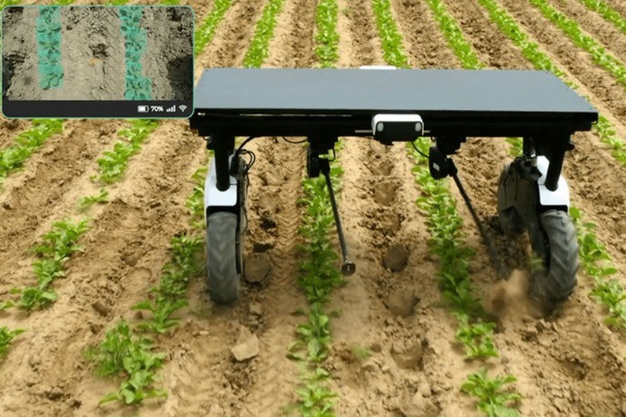
One example is an autonomous robot developed by Botmotics that uses artificial intelligence and computer vision to identify and remove weeds in horticultural fields. The robot’s neural network was trained on about 105,000 images of weeds and crops, allowing it to distinguish unwanted vegetation and remove it with a robotic arm—without herbicides or fossil-fuel-powered machinery.
Botmotics says its technology goes beyond simple automation through what it calls “operational intelligence.” Sensors collect information such as rainfall, wind speed and field conditions, while AI processes the data and enables the robot to determine how and when to operate.
The company is also developing greenhouse harvesting robots, with prototypes already being tested in southern Spain. It aims to reduce farmers’ dependence on increasingly scarce and expensive skilled labor.
Botmotics believes the combination of AI, sensors and autonomous robots could play a major role in the future of intensive agriculture, particularly in regions such as Murcia and Almería, where the company hopes to help develop a specialized agricultural robotics ecosystem.